> ## Documentation Index
> Fetch the complete documentation index at: https://auth0.com/llms.txt
> Use this file to discover all available pages before exploring further.
> Learn about social connections and how Auth0 Marketplace partners can use, build, and test them.
# Social Connections for Partners
In Auth0, Connections are a source of user identity for logging in. Social Connection is the term we use for a consumer-level source of identity, like Google or Facebook. Customers can provide their users with the option of using one or more social connections on the login form, or just use a single provider by including a URL parameter when redirecting to the login form.
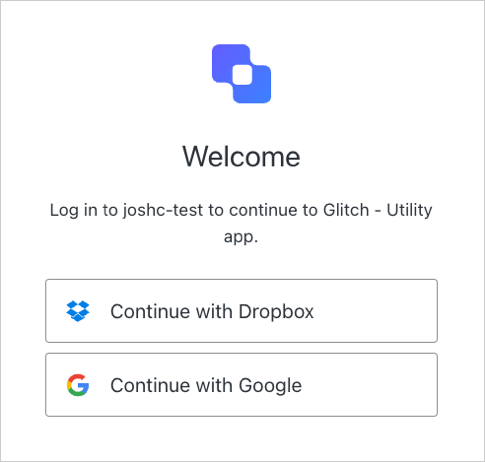 Once a user is logged in, their identity from the social provider is mapped to an Auth0 profile, and the result is sent to the application that requested login. This creates an Auth0 user record using the identity from the selected Social Connection. The attributes used for this record are mapped from the external identity source to an [Auth0 user profile](/docs/manage-users/user-accounts/user-profiles/normalized-user-profiles).
Your Marketplace Social Connection will start as a [Custom Social Connection](/docs/authenticate/identity-providers/social-identity-providers/oauth2) that can be built on any Auth0 tenant, so you can see how the transaction will work and make sure that users can log in with your authorization server. The following video will show you how to build and test a Connection in Auth0.
In addition, to assist you in building your integration you can leverage our [Social Connection Integration template](https://github.com/auth0-marketplace/TEMPLATE-social-connection).
## Submit your Social Connection
If you are ready to become a partner and submit your integration, please create a partner account at the [partner portal](https://partners.marketplace.auth0.com/) and do the following:
1. Complete the partner profile which includes a short description about your business, legal and marketing content, company logo, terms of service, privacy policy, contact info, and support email.
2. Submit your integration which includes integration code, installation guide and details such as name and description. Optionally, you can add 3 value propositions to your integration.
**We will need the following configuration and documentation:**
* The Authorization and Token URLs that should be used; if your authorization server uses a tenant architecture, include the pattern to use, and we will include a **Tenant Domain** field or similar.
* A list of fields that the customer configuring the integration should see, including **Client ID** and **Client Secret**
* A list of scopes that can be requested, including whether to require them and/or request them by default
* A profile mapping script (following the [mapping script template](https://gist.github.com/joshcanhelp/26e1fc3581d2ced737c4f50a694ea10f)). This script must map a unique identifier to `user_id` and, if possible, `email`, `email_verified`, and `name`
* An installation guide written in Markdown.
Once a user is logged in, their identity from the social provider is mapped to an Auth0 profile, and the result is sent to the application that requested login. This creates an Auth0 user record using the identity from the selected Social Connection. The attributes used for this record are mapped from the external identity source to an [Auth0 user profile](/docs/manage-users/user-accounts/user-profiles/normalized-user-profiles).
Your Marketplace Social Connection will start as a [Custom Social Connection](/docs/authenticate/identity-providers/social-identity-providers/oauth2) that can be built on any Auth0 tenant, so you can see how the transaction will work and make sure that users can log in with your authorization server. The following video will show you how to build and test a Connection in Auth0.
In addition, to assist you in building your integration you can leverage our [Social Connection Integration template](https://github.com/auth0-marketplace/TEMPLATE-social-connection).
## Submit your Social Connection
If you are ready to become a partner and submit your integration, please create a partner account at the [partner portal](https://partners.marketplace.auth0.com/) and do the following:
1. Complete the partner profile which includes a short description about your business, legal and marketing content, company logo, terms of service, privacy policy, contact info, and support email.
2. Submit your integration which includes integration code, installation guide and details such as name and description. Optionally, you can add 3 value propositions to your integration.
**We will need the following configuration and documentation:**
* The Authorization and Token URLs that should be used; if your authorization server uses a tenant architecture, include the pattern to use, and we will include a **Tenant Domain** field or similar.
* A list of fields that the customer configuring the integration should see, including **Client ID** and **Client Secret**
* A list of scopes that can be requested, including whether to require them and/or request them by default
* A profile mapping script (following the [mapping script template](https://gist.github.com/joshcanhelp/26e1fc3581d2ced737c4f50a694ea10f)). This script must map a unique identifier to `user_id` and, if possible, `email`, `email_verified`, and `name`
* An installation guide written in Markdown.